Inside the MiSPay risk engine: an approval decision in 300 milliseconds
A rare look at how MiSPay decides who gets approved, why a declined shopper is told the reason, and the guardrails that keep limits from growing faster than repayment history.
Every MiSPay order is underwritten in under 300 milliseconds, and every declined order returns a reason a shopper can act on. This is how that decision is made.
Underwriting is the part of a flexible payments business that customers never see and that determines almost everything they experience: whether they are approved, how much they can spend, and whether a difficult month becomes a manageable conversation or a spiral.
The decision, step by step
Identity. Verified once, re-checked when signals change
Affordability. Existing MiSPay obligations plus declared income signals
Behaviour. Repayment history across previous plans, weighted by recency
Order context. Category, amount, and how the plan length fits the basket
Policy gates. Hard limits that no model score can override
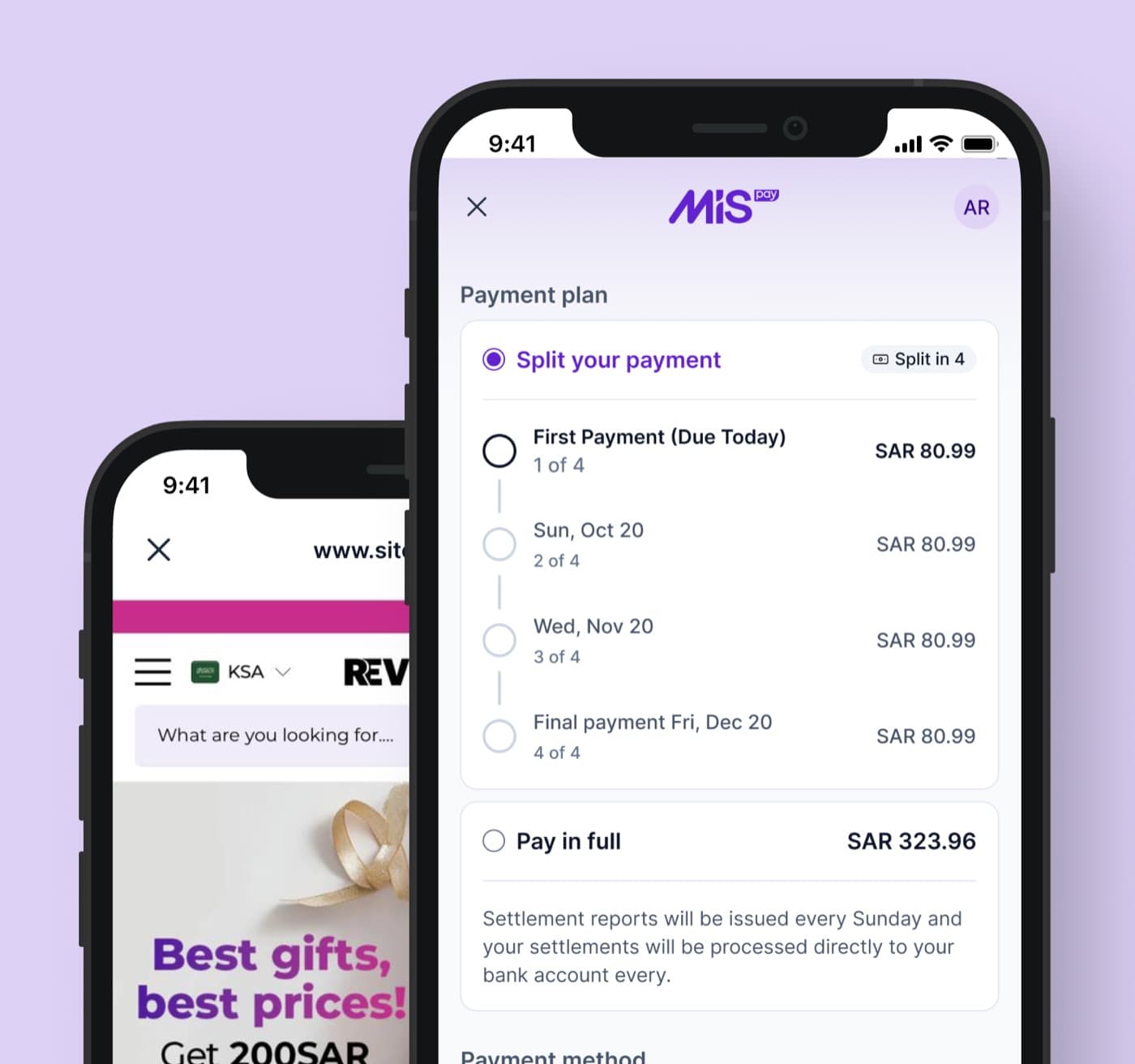
The output is not a single yes or no. It is an approval decision, a limit, and a plan shape — and the shape matters as much as the answer.
Guardrails that do not move
Limits grow with history, not with appetite
An opening limit is deliberately low. It increases only after completed plans, and it never increases inside a single session. A shopper cannot unlock a larger limit by trying a larger basket.
Concurrency caps
There is a ceiling on how many plans a shopper can hold at once, independent of total exposure. Two shoppers with the same limit can be in very different situations, and plan count is the signal that catches it.
No compounding
Late fees are fixed, capped, and never applied to a fee. There is no scenario in which the amount owed grows without a new purchase.
A human on the hard cases
Hardship requests, disputed late fees, and suspected fraud on a legitimate account all route to a reviewer within one business day. Reviewers can restructure a plan; models cannot.
"The measure of an underwriting system is not its approval rate. It is what happens to the shopper who should not have been approved, and how quickly you notice."

Why declines include a reason
A shopper who is declined without explanation assumes the decision is arbitrary and tries again elsewhere. MiSPay returns a plain-language reason — an existing plan, an affordability signal, or a verification gap — along with what would change the outcome.
Since introducing reasons, repeat attempt volume on declined orders fell by 52%, and support contacts about declines fell by a third.
Monitoring the models
Every model in production is monitored for drift weekly
Decision distributions are reviewed by cohort, not in aggregate
A shadow model runs alongside production before any change ships
All manual overrides are logged and sampled for review
The risk committee, which now includes two independent members, reviews approval rates, late-payment incidence, and hardship outcomes each quarter.
About MiSPay
MiSPay is a regional payments company that lets shoppers split purchases into predictable instalments and helps merchants convert more of the demand they already have.
For press enquiries, contact press@mispay.co.
Writing about MiSPay?
Our press team can help with data, quotes and brand assets. We usually reply the same day.